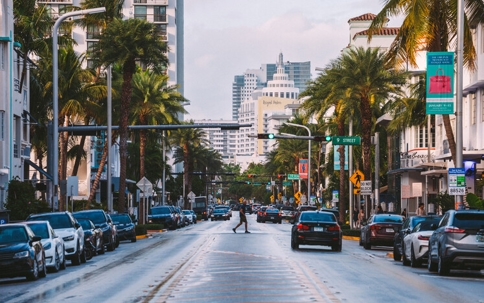
Winter and early spring bring a surge of visitors to Miami. Snowbirds arrive, cruise ships fill the port, festivals pack the calendar, and Spring Break draws crowds from across the country. With more people on the roads, law enforcement increases DUI and DUID enforcement. For residents and visitors alike, one night out can quickly turn into an arrest that feels overwhelming and frightening.
If you or someone you love has been arrested for a DUI or DUID during the holiday travel season, time is of the essence. Speak with Law Office of Armando J. Hernandez, P.A. right away to protect your rights and understand your options. Contact us now online or call (305) 400-0074 for guidance during this stressful moment.
Why DUI Enforcement Increases During Holiday Travel
Miami’s winter-to-spring season is one of the busiest times of the year. Law enforcement agencies plan ahead for this spike in traffic and nightlife. More drivers on the road often means more accidents, and police respond with increased patrols.
Common reasons enforcement rises include:
- Large holiday events and festivals
- Heavy tourism and rental car traffic
- Increased alcohol sales at bars, clubs, and restaurants
- Spring Break activity near beaches and nightlife areas
Police may use checkpoints, saturation patrols, and targeted enforcement in areas with high foot traffic. This does not mean everyone is breaking the law, but it does mean officers are actively looking for reasons to stop drivers.
Understanding DUI vs. DUID in Florida
Many people are familiar with what a DUI is, but fewer understand what a DUID is. Both are taken seriously under Florida law.
A DUI usually involves alcohol. A driver can be arrested if their blood alcohol level is 0.08% or higher, or if an officer believes alcohol impaired their ability to drive safely.
A DUID involves drugs instead of alcohol. This can include:
- Illegal drugs
- Prescription medications
- Over-the-counter medicines that cause drowsiness or slow reaction time
You do not need to feel “high” or “drunk” to face a DUID charge. Officers rely on observations, field tests, and, in some cases, blood or urine samples. These cases can be complex and confusing for drivers.
Winter Events That Trigger Heightened Patrols
From November through March, Miami hosts numerous events that draw large crowds and increase police presence. Even locals who rarely drink may be stopped simply because of traffic patterns.
High-risk times often include:
- Winter holidays and New Year celebrations
- Major sporting events
- Art festivals and music events
- Cruise ship departure and return days
During these times, officers may watch closely for minor driving issues like rolling stops or lane changes. A simple traffic stop can quickly lead to questions about drinking or drug use.
Spring Break and the Rise of DUID Arrests
Spring Break brings a unique set of risks. Many visitors are unfamiliar with Miami roads and Florida driving laws. Others assume prescription drugs or cannabis are safe to use before driving.
DUID arrests often rise in spring because:
- Visitors mix alcohol with medications
- Drivers assume legal prescriptions are not an issue
- Officers look for impaired driving near beaches and hotels
Even legally prescribed medication can lead to arrest if an officer believes it affected your driving. This surprises many people and adds to the fear after an arrest.
DUI Checkpoints: What Drivers Should Know
DUI checkpoints are commonly used during peak travel seasons. At these stops, officers briefly question drivers and look for signs of impairment.
Key points to understand:
- You must show your license, registration, and insurance
- You do not have to answer questions about drinking or drug use
- You may politely decline field sobriety exercises
- Refusing a breath test can have license consequences
Many drivers feel pressured to comply with everything an officer asks. Knowing your rights can make a major difference in what happens next.
How Tourists and Rental Cars Factor Into Arrests
Visitors often face unique challenges after a DUI or DUID arrest. Rental cars, out-of-state licenses, and travel plans add stress and confusion.
Common concerns include:
- Needing to return home quickly
- Understanding Florida court requirements
- Dealing with license issues in another state
An arrest does not disappear just because you leave Florida. Charges can follow you home and affect your record, job, and driving privileges.
The Hidden Consequences of a Holiday DUI Arrest
A DUI or DUID arrest can feel like the end of the world, especially during what was supposed to be a vacation or celebration. The consequences extend far beyond a single night in jail.
Potential impacts may include:
- License suspension
- Court appearances and fines
- Increased insurance costs
- Stress on family and employment
These consequences can begin immediately after arrest. Acting quickly can help limit the damage and give you a clearer path forward.
Why Early Legal Guidance Matters
The days after a DUI or DUID arrest are critical. Evidence can be challenged, deadlines must be met, and mistakes can have long-term effects.
Early legal help can assist with:
- Reviewing the legality of the traffic stop
- Examining breath or drug testing procedures
- Addressing license suspension issues
- Explaining what to expect at each stage
You do not have to face this alone. Having someone explain the process in plain language can ease anxiety and restore a sense of control.
Learn More About DUI Defense in Miami
If you want to better understand how DUI cases are handled and what defenses may apply, visit this page on Miami DUI defense. Clear information can help you make informed decisions during a stressful time.
Miami DUI Attorney
A DUI or DUID arrest during the holiday travel season does not define who you are or what your future will be. What matters most is what you do next.
Law Office of Armando J. Hernandez, P.A. is committed to helping people accused of crimes understand their rights and options. If you are feeling scared, uncertain, or overwhelmed, reach out for support today. Contact us through our website or call (305) 400-0074 to discuss your situation and take the first step toward protecting your future.